英國 RPC-L2 證照非 BVLOS 商業特許 監管機構強調飛手須循序申請
英國推出的 RPC-L2 無人機資格認證是產業里程碑,為飛手提供正式的視距外(BVLOS)飛行練習途徑,解決長期的能力培養瓶頸。然而業界專家與英國民航局(CAA)同步強調,RPC-L2 證照僅代表飛手具備基礎能力,不等同於自動取得商業超視距作業許可。業者欲執行 BVLOS 商業任務,仍須個別向 CAA 申請作業許可,提交完整的作業概念、風險評估文件,並實施符合規範的安全管理措施,方可合法營運。
英國推出 RPC-L2 無人機資格認證,為飛手提供正式的視距外飛行練習管道。但業界與監管機構警告,持證不等於自動獲准商業超視距作業,業者仍需個別申請許可並通過風險評估。
重點速覽
- 英國推出 RPC-L2 資格,建立 BVLOS 飛行標準化訓練與評核框架
- 持有 RPC-L2 證照不自動授予商業超視距飛行許可
- 英國民航局要求業者個別申請 BVLOS 作業許可並通過風險評估
- RPC-L2 應視為能力認證起點,後續需提交完整作業概念與安全措施
- 監管機構釋出正面訊號,循序漸進推進 BVLOS 規模化商業應用
文章重點
- 英國 RPC-L2 資格為飛手提供標準化的超視距(BVLOS)飛行訓練與評核框架。
- 持有 RPC-L2 並不等同於取得商業 BVLOS 作業許可,兩者為不同程序。
- 商業 BVLOS 作業仍需向英國民航局(CAA)個別申請,並通過風險評估。
- RPC-L2 是飛手申請 BVLOS 作業許可的基礎條件之一,而非唯一要求。
- 業界視 RPC-L2 推出為英國 BVLOS 商業規模化發展的重要正面訊號。
英國 RPC-L2:BVLOS 練習的正式管道,非商業通行證
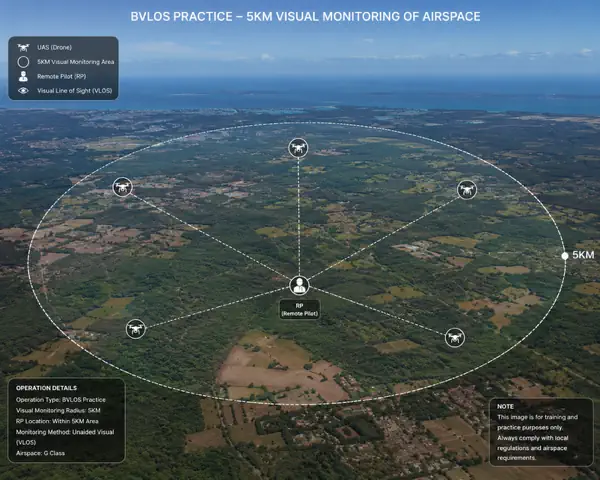
英國無人機產業近期迎來一項重要發展——RPC-L2 資格認證制度正式啟動。這套新制度為有志進入超視距(BVLOS)領域的飛手建立了標準化的訓練與評核框架,被業界普遍視為推動無人機技術進步的關鍵一步。
長期以來,BVLOS 飛行能力的培養一直是英國無人機產業發展的瓶頸。飛手難以在合法、受控的環境下累積實際超視距飛行經驗,導致整個產業的技術水準無法達到國際競爭力。RPC-L2 的推出直接解決了這一問題,為飛手提供了正式的練習與認證路徑。
RPC-L2 的範疇與限制
然而,英國民航局(CAA)與業界專家同步強調一個關鍵區分:持有 RPC-L2 證照並不等同於自動獲得商業 BVLOS 作業許可。這兩者之間存在明確的法規界線,飛手與企業必須清楚理解。
RPC-L2 的價值在於能力認證——它證明持證人具備在受控環境下執行超視距飛行的基礎知識與操作技能。但要在商業環境中合法執行 BVLOS 任務,飛手和業者需要進行額外且嚴格的程序:
- 個別作業許可申請:業者必須向 CAA 提交特定任務的作業許可申請
- 風險評估與審查:CAA 需對提案的飛行環境、操作程序與安全措施進行詳細評估
- 作業概念(ConOps)提交:業者需提交詳細的飛行計畫、應急預案與安全管理方案
- 持續合規監督:獲准後仍需接受定期檢查與監督
產業的正確期待與未來方向
RPC-L2 應被視為進入 BVLOS 商業應用的起點而非終點。它為飛手奠定了申請 BVLOS 作業許可的基礎資格,但實際商業運營還需配套完整的風險管理體系。
對英國無人機產業而言,這一制度的推出是積極訊號——表明 CAA 正在積極為 BVLOS 的規模化商業應用鋪路,但同時堅持循序漸進的原則,將飛行安全放在首位。業界普遍認為,隨著越來越多飛手通過 RPC-L2 認證並在受控環境中累積實務經驗,CAA 對 BVLOS 作業許可的審批流程有望逐步優化,但前提是不降低安全標準。
這種平衡的監管姿態為英國無人機產業的健康發展奠定了基礎——既開放創新空間,又維持風險管控的底線。
對台灣業者的意義
對台灣業者而言,RPC-L2 的啟動提供了重要的監管參考。台灣民航局目前對 BVLOS 的管制同樣採取個案審查制,但缺乏標準化的飛手能力認證機制。英國的做法顯示,建立中級飛手資格(如 RPC-L2)與商業作業許可的明確區隔,有助於提升從業者整體素質,同時降低監管機構的審批風險。建議台灣的無人機服務業者與協會關注英國此模式的實施成效,並向民航局提出建立類似的分階段認證制度,特別是在農業植保、基礎設施巡檢等高風險應用領域,以加速 BVLOS 商業化進程。
常見問題
本文由 LAETimes 編輯部審核發佈 ·