中國駭客組織UAT-7237鎖定東南亞關鍵基礎設施,部署TinyRCT後門滲透
Palo Alto Networks威脅研究團隊Unit 42與思科Talos合作,確認代號UAT-7237的中國駭客攻擊組織持續威脅亞太地區關鍵基礎設施。該組織自2022年3月起活躍,曾攻擊台灣網站代管基礎設施,2025年將攻擊範圍擴大至東南亞政府機關、能源產業與國營企業,部署TinyRCT後門程式進行滲透與遠端控制,顯示國家級駭客組織正加強對區域關鍵基礎設施的威脅程度。
Palo Alto Networks威脅研究團隊追蹤確認,代號UAT-7237的中國駭客組織自2022年起活躍,近期將攻擊目標從台灣網站代管基礎設施擴大至東南亞政府機關與能源產業,部署TinyRCT後門程式進行深度滲透。
重點速覽
- Palo Alto Networks Unit 42確認UAT-7237與CL-STA-1062為同一中國駭客組織
- 該組織自2022年3月起活動,曾攻擊台灣網站代管基礎設施
- 2025年擴大目標至東南亞政府機關、能源產業及國營企業
- 使用TinyRCT後門程式進行遠端控制與資料竊取
- 思科Talos與Palo Alto Networks聯動揭露同一攻擊者身份
文章重點
- Palo Alto Networks Unit 42確認中國駭客組織UAT-7237(代號CL-STA-1062)自2022年3月起持續發動網路攻擊。
- UAT-7237曾鎖定臺灣網站代管基礎設施,2025年攻擊範圍擴大至東南亞政府機關與能源產業。
- 攻擊者部署後門程式TinyRCT對政府機關、能源產業及國營企業進行深度滲透。
- 此威脅情報由Palo Alto Networks Unit 42與思科Talos兩大資安研究團隊聯合確認為同一攻擊組織。
中國駭客組織擴大攻擊範圍
Palo Alto Networks威脅研究團隊Unit 42近期發佈研究報告,追蹤並確認代號CL-STA-1062的中國駭客攻擊行動實為與思科威脅情報團隊Talos先前揭露的UAT-7237同一攻擊組織。該組織在過去近四年間,持續對亞太地區關鍵基礎設施進行有計畫的滲透活動。
從台灣擴及東南亞
根據Unit 42的分析,UAT-7237駭客組織的活動軌跡清晰可追蹤。該組織最早於2022年3月開始活動,初期鎖定台灣網站代管基礎設施進行攻擊測試。隨著滲透技術不斷改進與防禦繞過能力增強,攻擊者於2025年將目標範圍大幅擴大,轉向東南亞地區的政府機關、能源產業與國營企業展開多層次的滲透行動。
TinyRCT後門工具
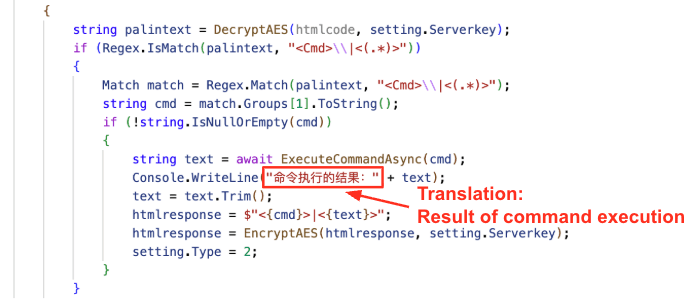
威脅研究人員發現,該組織在滲透過程中使用名為TinyRCT的惡意後門程式。該後門工具具備遠端命令執行、資料竊取、橫向移動等多項惡意功能,能使攻擊者在入侵目標系統後建立持久化存取機制,進而進行長期的資訊蒐集與破壞活動。
雙方情報機構聯動
Palo Alto Networks Unit 42與思科Talos的情報共享與聯合研究,成功確認該駭客組織在多次重大攻擊事件背後的統一身份。這一發現強化了業界對國家級駭客威脅的認識,並提醒亞太地區關鍵基礎設施營運單位應加強防禦措施與事件應變準備。
區域關鍵基礎設施面臨升級威脅
UAT-7237組織將攻擊目標從單一國家擴展至多國政府與能源部門,反映出該駭客組織具備國家級背景、充足資源與明確的地緣政治目標。能源產業與政府機關作為國家經濟與安全命脈,成為該組織重點滲透目標,可能涉及長期的情報蒐集、影響力投射或預先破壞能力部署等戰略目的。
對台灣業者的意義
台灣作為UAT-7237組織的初始目標國,該組織攻擊範圍擴大至東南亞代表台灣仍面臨持續威脅。國內關鍵基礎設施營運單位(特別是能源、通訊、金融部門)應參考本次情報發佈,加強供應鏈安全檢查與網站代管安全防護。台灣資安廠商如CyCraft、勤智科技等可將UAT-7237的TinyRCT後門特徵納入檢測模式;政府應透過國家級情報單位與Palo Alto Networks、思科等國際廠商建立資訊共享機制,提升整體防禦能力。
常見問題
Newsletter
訂閱低空產業電子報
每日精選低空經濟與無人機產業新聞,直送您的信箱。
本文由 LAETimes 編輯部審核發佈 ·