Shenzhen Fully Opens Low-Altitude Airspace Below 120 Meters, Ushering Low-Altitude Economy into Large-Scale Application Phase
Shenzhen has announced the full, routine opening of low-altitude airspace below 120 meters citywide, with flyable zones covering 75% of the city. With 1,284 standardized takeoff and landing points, over 2,700 daily flights, and more than 1,900 low-altitude economy companies, the city has cleared the key airspace barriers for scaled drone logistics and other applications.

Highlights
- Shenzhen has fully opened airspace below 120 meters citywide, with flyable zones covering 75% of the municipality.
- The city has built 1,284 standardized drone takeoff and landing points supported by nearly 10,000 5G-A base stations.
- Average daily low-altitude flights in Shenzhen exceed 2,700 sorties.
- Fengwing Technology and Meituan operate 310 intra-city and 8 intercity drone logistics routes for medical, food, and emergency deliveries.
- More than 1,900 low-altitude economy companies are based in Shenzhen, anchored by DJI and other industry leaders.
Shenzhen Opens Sub-120m Airspace Citywide, Low-Altitude Economy Enters New Phase
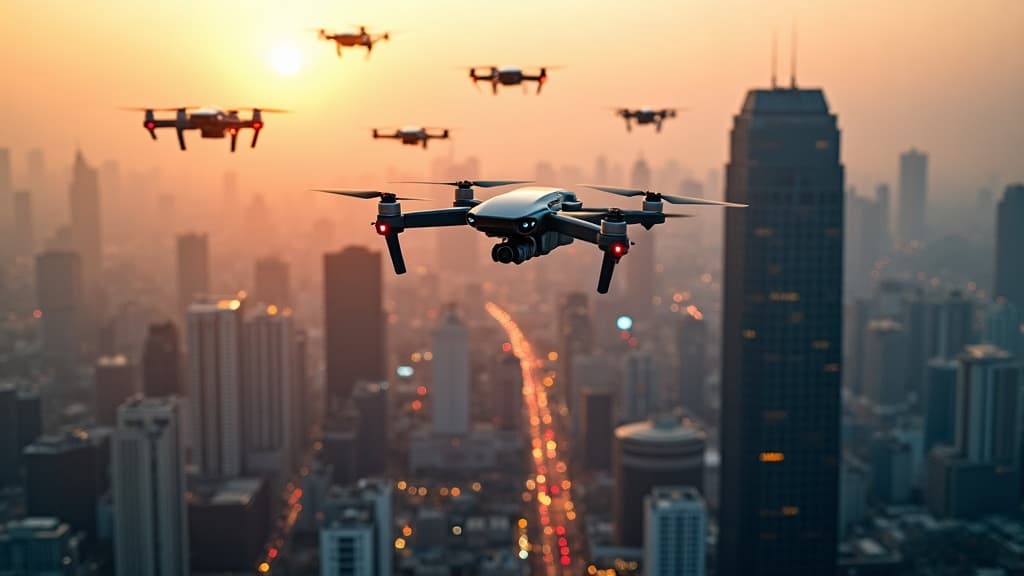
According to the Shenzhen Special Zone Daily, the city of Shenzhen has achieved full, routine opening of low-altitude airspace below 120 meters across the entire municipality. Flyable airspace now covers 75% of the city's area, with core urban districts including Futian, Nanshan, and Luohu all incorporated into regular flight management.
This sweeping airspace liberalization decisively breaks the previous pattern of "restricted zones and niche applications" that constrained low-altitude flight. It marks Shenzhen's formal transition from a policy-driven demonstration phase to a stage of scaled commercial deployment, removing the most critical airspace barrier for large-scale applications.
Infrastructure and Regulatory Systems in Place
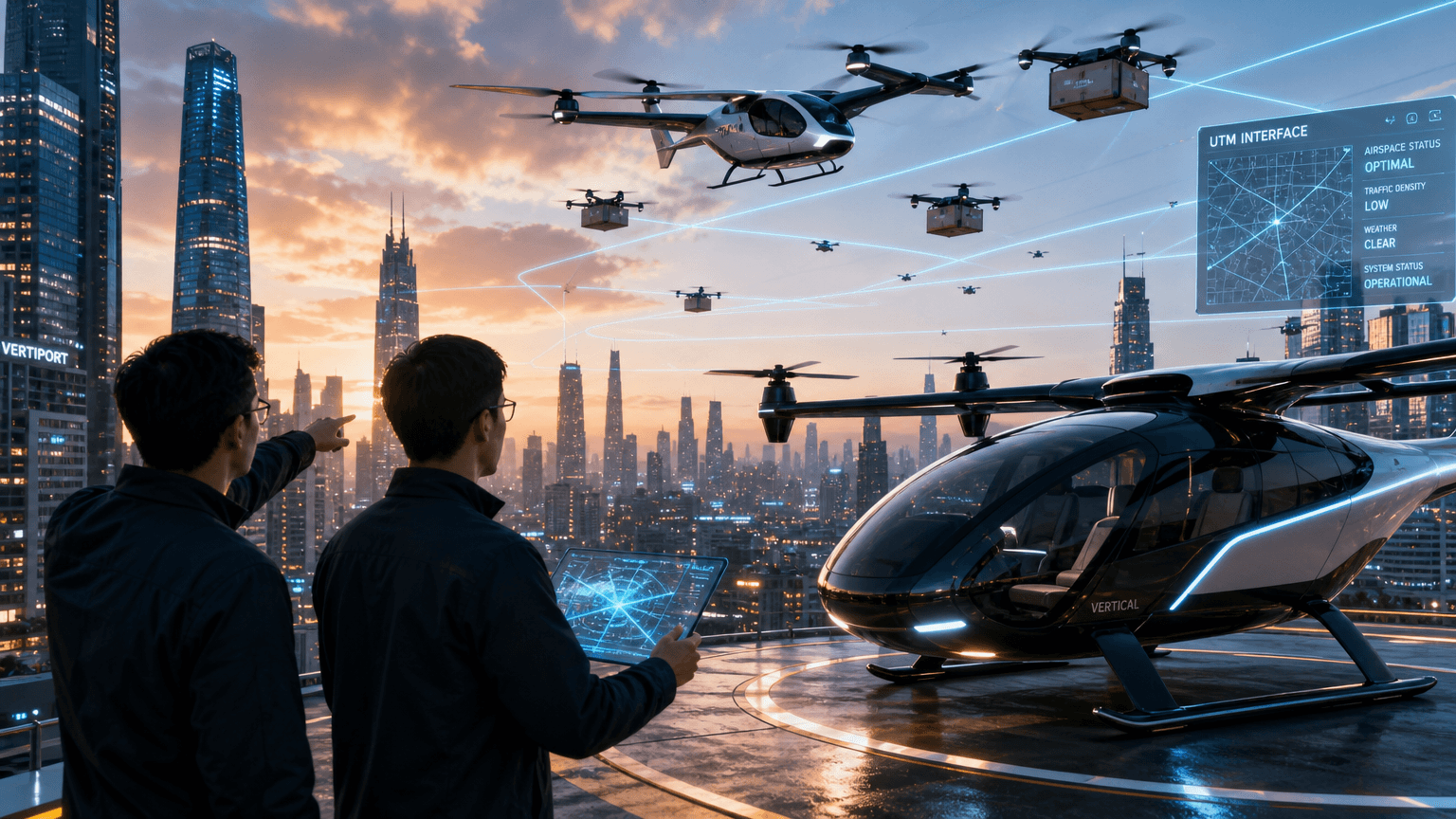
Shenzhen has now built 1,284 standardized takeoff and landing points. Leveraging nearly 10,000 5G-A integrated sensing and communication base stations, the city has constructed an air-ground integrated regulatory framework. Average daily low-altitude flights across the city exceed 2,700 sorties. A normalized flight pattern characterized by high frequency and broad coverage has essentially taken shape, laying the operational foundation for batch deployment of diverse application scenarios.
Comprehensive Deployment of Low-Altitude Logistics Routes
In drone logistics, Fengwing Technology and Shenzhen Meituan have opened 310 intra-city low-altitude cargo routes and 8 intercity dedicated lines. Use cases including hospital emergency medical supply transfers, community fresh food delivery, office building meal drop-offs, and industrial park emergency material transport have all entered routine operation.
Sustained Industrial Chain Leadership
On the industry front, Shenzhen has amassed more than 1,900 companies across the low-altitude economy value chain. The city boasts the world's most complete drone industry supply chain, capable of assembling core components within one hour. Its manufacturing advantages in both consumer-grade and industrial-grade drones continue to lead globally. Anchor companies such as DJI, Fengwing Technology, and Eastern General Aviation maintain robust operations, while SMEs and startups continue to innovate in specialized application segments, further strengthening the industry's competitive tiers.
Implications for Taiwan
Shenzhen's comprehensive opening of low-altitude airspace demonstrates mainland China's proactive approach to advancing the low-altitude economy. Compared with Taiwan's currently more conservative drone airspace management policies, Shenzhen's experience could serve as a valuable reference case for Taiwan as it explores future development of its drone industry and low-altitude economy.
原文來源: 查看原文