Latest
Hawaii Startup's Volcanic Rock Composite Drone Undergoes Live Testing at RIMPAC 2024
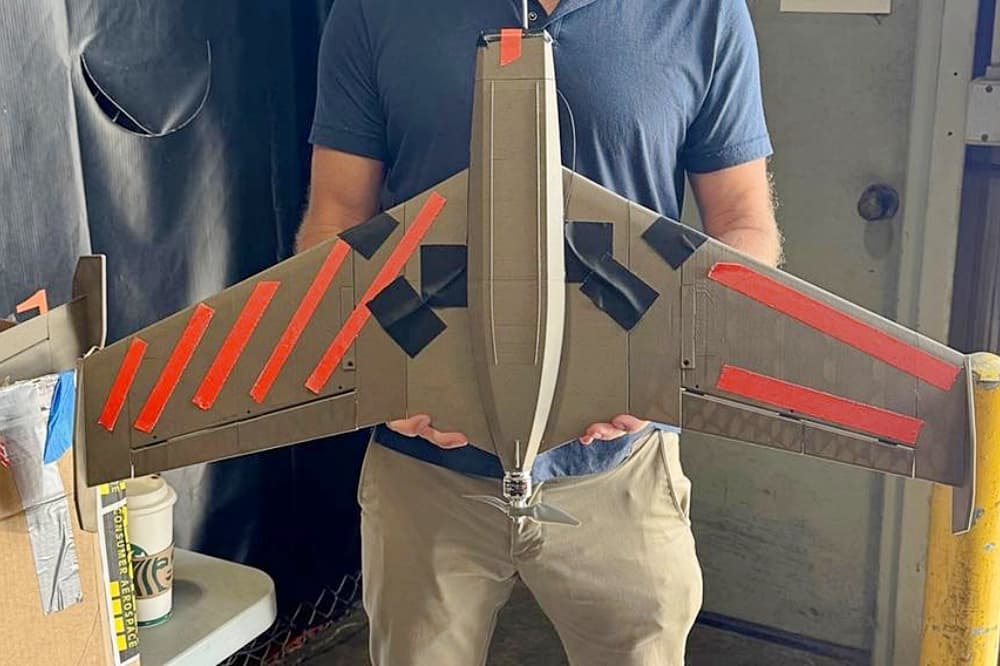
Maui-based startup Voltage Vessels has developed a patented composite material called Eclipse X9, combining basalt fiber derived from volcanic rock with PETG thermoplastic. The resulting material reportedly surpasses carbon fiber in strength and is currently being tested in 3D-printed drones during the 2024 Rim of the Pacific (RIMPAC) military exercises, highlighting its potential for next-generation military drone applications.
軍事無人機新品發表
about 1 month agoSource: UAS Vision