Latest
Royal Navy Achieves Historic Milestone with First Sea-Launch of Attack Drone
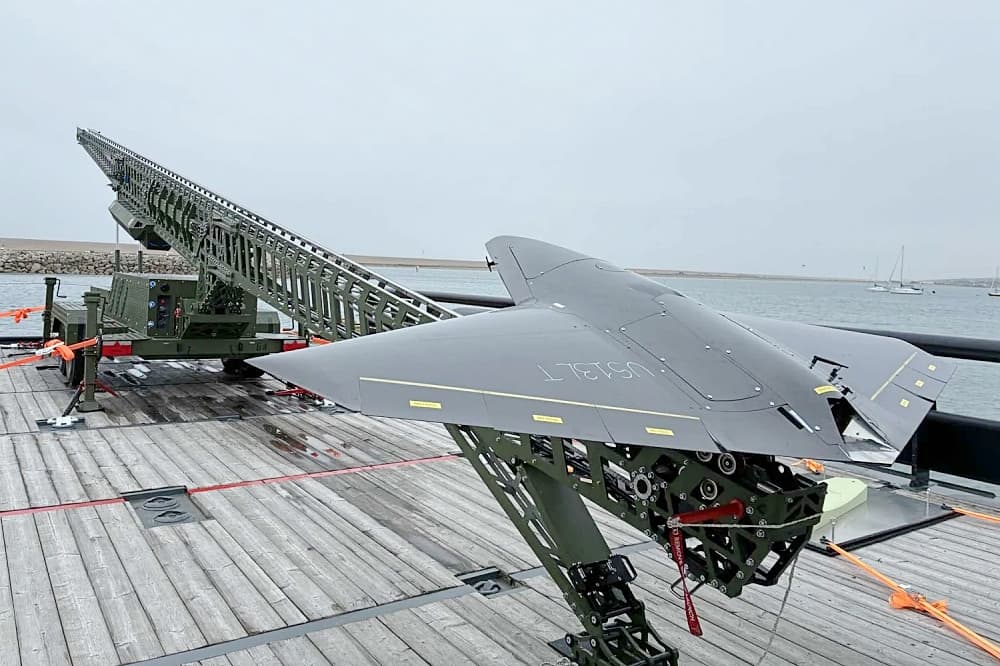
The Royal Navy has successfully launched an attack-capable 'Nyan One Way Effector' drone from a vessel at sea aboard experimental ship XV Patrick Blackett, in a joint trial with the British Army and Royal Air Force. The milestone marks a significant step forward in the UK's ambition to build a hybrid naval force capable of countering evolving security threats.
軍事無人機海事應用
19 days agoSource: UAS Vision